The first Arctic land healing company

Keep permafrost carbon frozen.

PermaC heals Arctic landscapes by preventing frozen permafrost from further thawing, keeping carbon in the ground and infrastructure intact.

01 · The problem

Permafrost holds twice the carbon that is in the atmosphere.

Across the Arctic, ground that has remained frozen for thousands of years—permafrost—holds an enormous store of carbon. Much of this carbon accumulated during the Pleistocene, when plants absorbed carbon dioxide from the atmosphere, died, and became buried in frozen soils before they could fully decompose. Over thousands of years, this process locked organic carbon into the ground. Today, permafrost contains roughly twice as much carbon as the atmosphere.

As the Arctic warms, permafrost thaws and this ancient organic matter becomes available to microbes, which break it down and release carbon dioxide and methane. These are warming-induced emissions: greenhouse gas emissions triggered by warming that would otherwise have remained locked in frozen ground. The additional emissions cause further warming, which drives further thaw, creating a reinforcing climate feedback. Protecting permafrost carbon can help prevent an already vast natural carbon store from becoming an additional source of greenhouse gas emissions.

1,500-1,700 Gt

Organic carbon stored in northern permafrost soils

Hugelius et al. (2014), Biogeosciences
4x faster

Arctic warming relative to the global average

Rantanen et al. (2022), Communications Earth & Environment
5th largest

Emitter, if permafrost landscapes were counted as a country

Ramage et al. (2024), Global Biogeochemical Cycles

If permafrost were a country, it would be the 5th biggest emitter.
  • China
  • United States
  • India
  • Russia
  • Permafrost
  • Japan
  • Canada
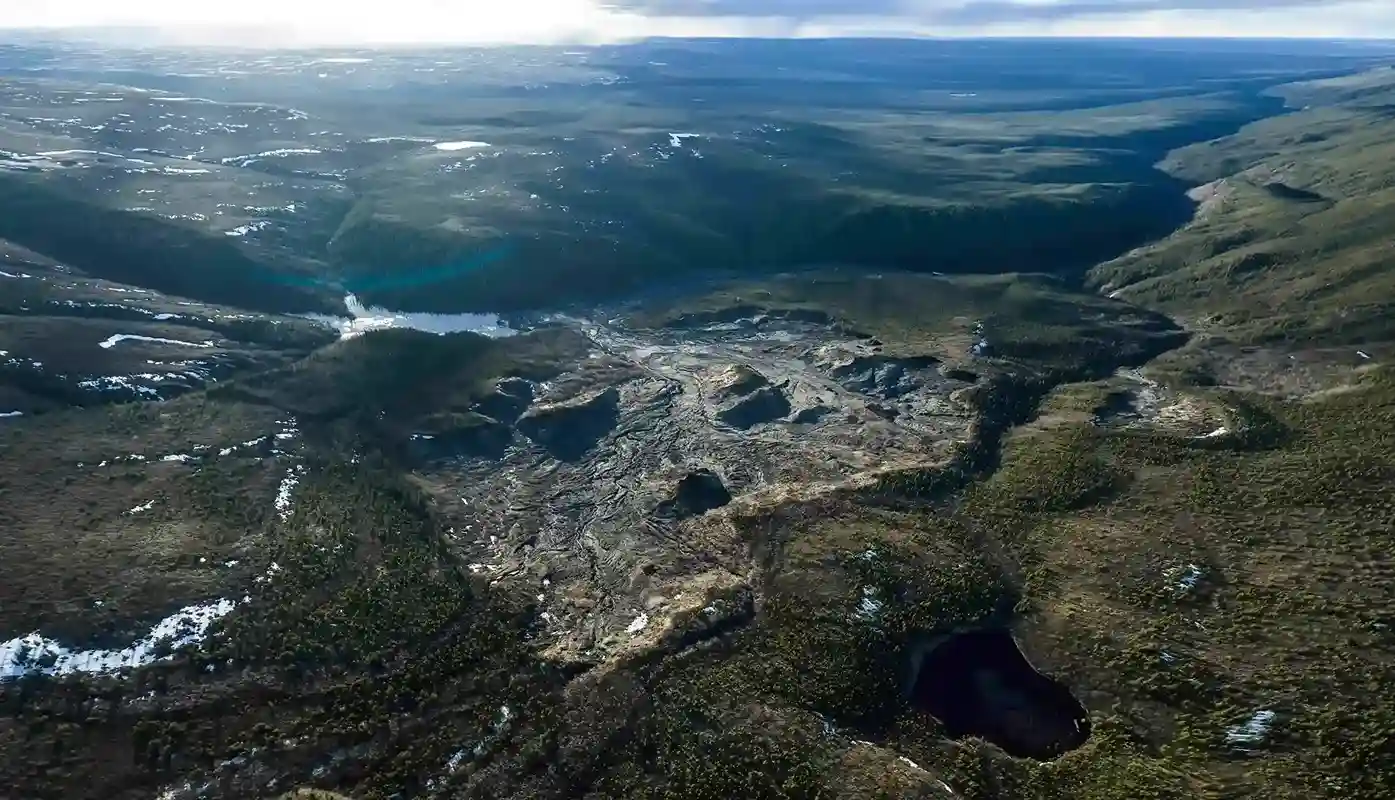
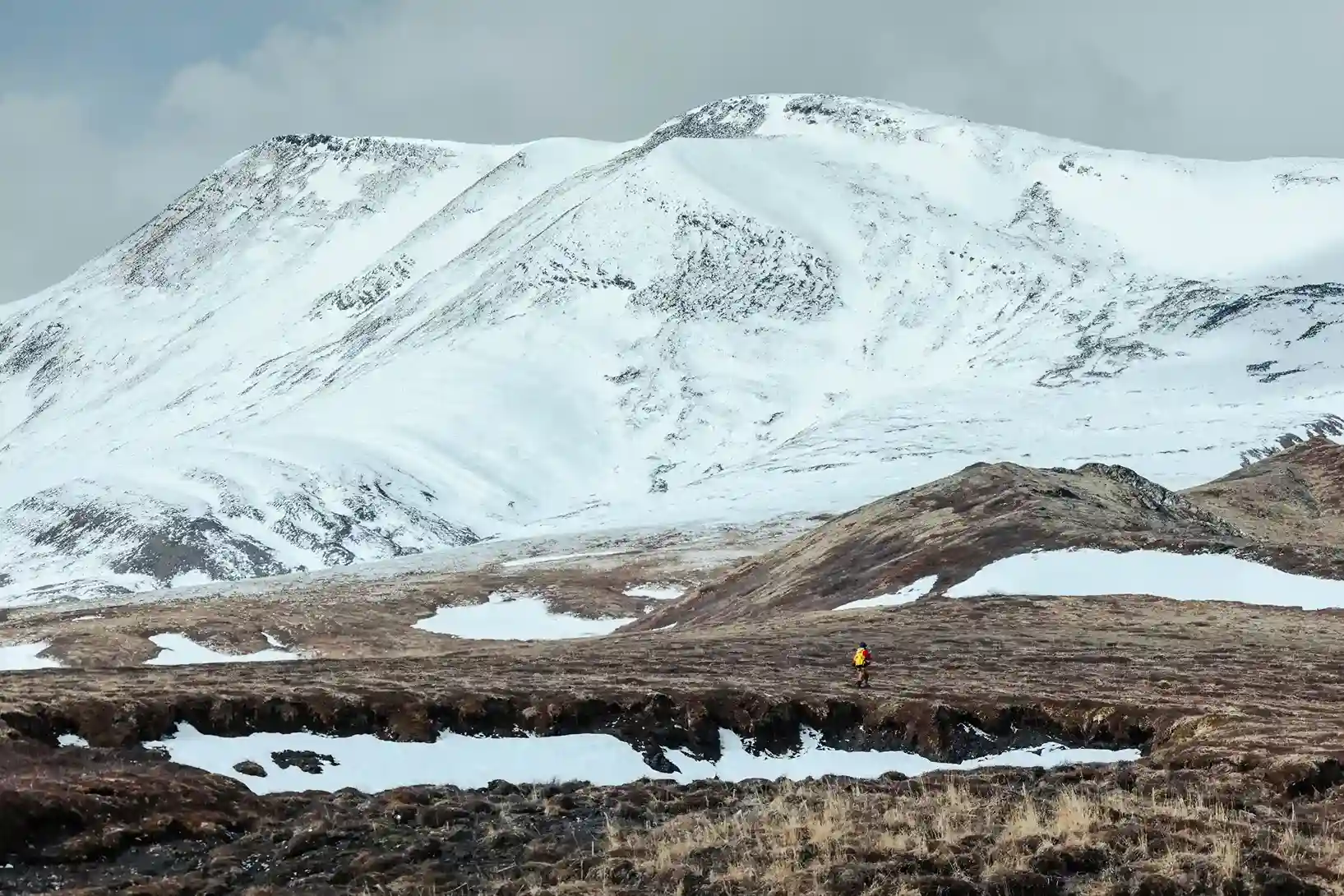
A single figure crossing tundra below a snow-covered mountain ridge in the ArcticAerial view of a kilometre-scale thaw slump running down a forested valley to a lake
02 · The solution

Heal the land.

Thawing is destroying permafrost lands. Studies show that keeping carbon buried prevents carbon from becoming greenhouse gas emissions (Liu et al., Earth’s Future, 2024). Yet thaw can trigger severe erosion and form retrogressive thaw slumps: features that grow deeper and farther into permafrost each summer, exposing previously frozen carbon. PermaC targets these areas where thaw is most acute, damaging, and addressable.

Compared with the vast extent of the Arctic, individual thaw slumps are manageable in scale. PermaC combines existing and modified techniques to stabilize them, protect the underlying permafrost, and support landscape recovery. Our approach is co-created with Indigenous and institutional knowledge holders, bringing generations of land-based knowledge together with engineering, climate science, and permafrost research to identify carbon-rich areas and determine how best to intervene.

20,000 thaw slumps and growing

Thaw slumps are catastrophic local thaw sites in the permafrost, sometimes called sinkholes.

Expanding every summer

Warm conditions and solar forcing from 24-hour sunshine cause most thaw slumps to grow rapidly in size each summer.

Unlocking ancient carbon

Thaw and erosion unlock deeper carbon that has been frozen for thousands of years.

Climate

Keep ancient carbon in the ground

We prevent thaw and carbon mobilization by keeping frozen carbon locked in the ground and enabling thawed ground to refreeze.

Ecological

Return the ground to living tundra

Permafrost thaw can rapidly transform Arctic landscapes, disrupting soils, vegetation, waterways, and ecosystems. The last step in PermaC's solution is to revegetate the landscape so it is indistinguishable from the unthawed permafrost.

Community

Restore land that people depend on

Arctic communities depend on the land for travel, harvesting, hunting, and connections between communities and generations. Our solution provides an approach to protect infrastructure and make communities resilient to climate change.

The method

The Green Blanket.

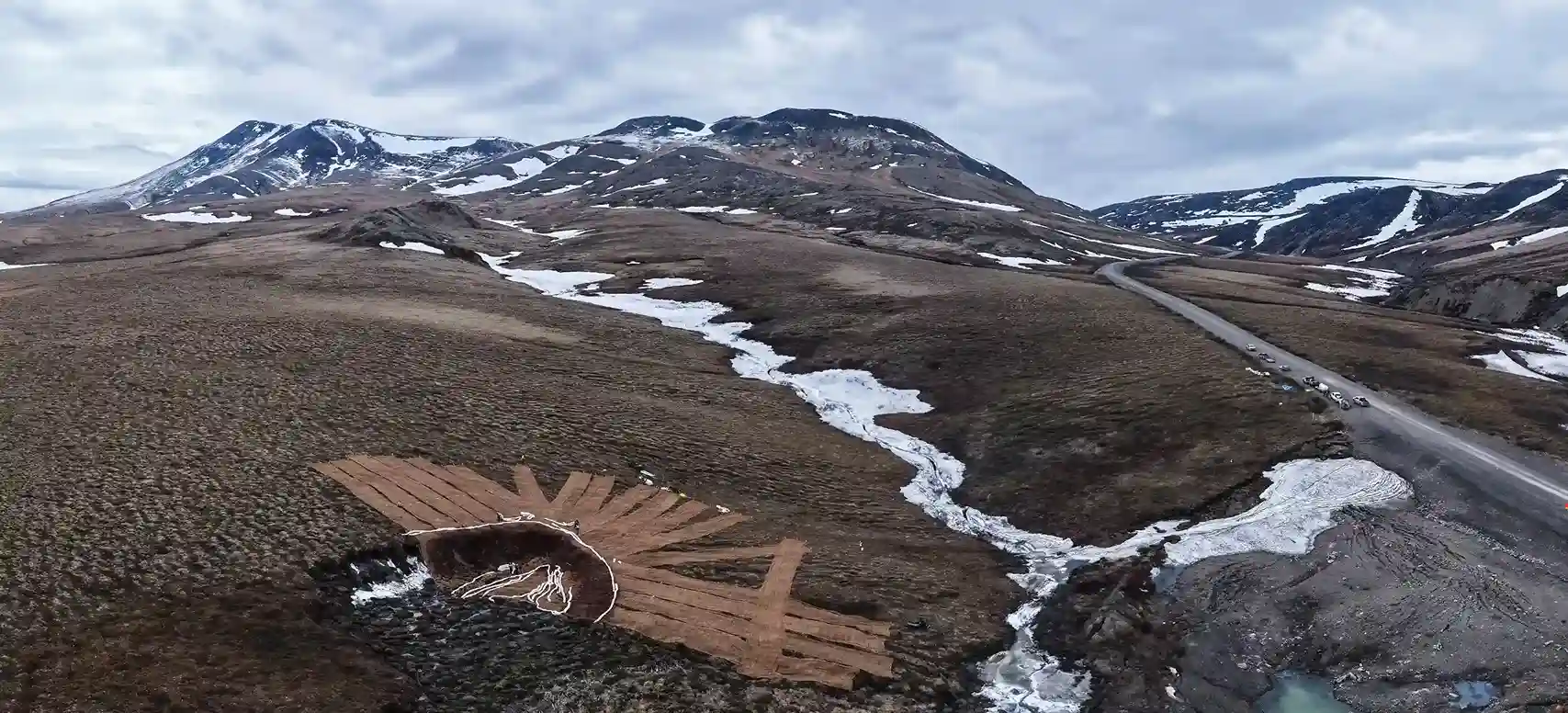
The purpose of the Green BlanketTM (patent pending) is to control erosion, shade and insulate, and reestablish local vegetation. The Blanket consists entirely of biodegradable materials, so after a few years it completely vanishes and is replaced long-term by the re-established local vegetation. The deployed Blanket consists of a unique combination of existing and modified techniques and materials, including erosion control fabrics adapted from the erosion control field for use in the Arctic. The final top layer of the blanket is revegetation, using a combination of seeds and cuttings selected using local knowledge to provide long-term erosion control and insulation.

Aerial view of the Green Blanket laid in overlapping strips across a thaw slump and the ground above it
01
Erosion control
Stabilizes rapidly thawing terrain
02
Insulation
Helps preserve frozen ground
03
Native revegetation
Seeds and replants native species
Green Blanket deployment during 2026 technical validation
03 · It works

Our pilot was deployed in summer of 2026 in Teetl'it Gwich'in lands in Northwest Territories, Canada.

The Green Blanket has been deployed on actively thawing permafrost in the Northwest Territories. Field testing has demonstrated that the system can be installed at scale in challenging Arctic conditions and can stabilize exposed ground, manage surface water and erosion, and support vegetation establishment.

We measure performance against untreated areas (control) versus blanketed area (experiment) using repeat drone surveys, LiDAR, GPS measurements, ground temperature and soil moisture sensors and field observations. These measurements allow us to track changes in surface stability and the rate at which the thawing landscape retreats. Early field results demonstrate that the intervention is working as intended; continued monitoring will quantify its performance over time and across different permafrost conditions.

Film · 4 min

Stops erosion

>5m headwall recession; Control Side
~0m headwall recession; Green Blanket side

Adds insulation

>20 degrees Celcius; Control Side
~0 degrees temperature; Green Blanket Side

Restores native vegetation

Unvegetated mud slurry in motion: Control Side
Start of new plant growth: Green Blanket Side
04 · Wider effects

Climate, ecological and community benefits.

01

Habitat and biodiversity

Thawing permafrost can fundamentally change the landscape and its function. Caribou and animals avoid the dangerous scar area. Slumps send large volumes of sediment into rivers and streams, altering aquatic habitat and affecting fish. Stabilizing these landscapes helps protect waterways, fish habitat, and the broader ecosystems they support.

02

Water quality

Erosion can transport sediment, heavy metals, pathogens, nutrients, and previously frozen material into Arctic waterways. By keeping soil in place, the Green Blanket helps reduce this input and protect downstream water quality.

03

Infrastructure protection

Stabilizing vulnerable landscapes can reduce erosion and ground loss, helping protect the infrastructure Arctic communities and industries depend on.

04

Indigenous stewardship

PermaC works with Indigenous Knowledge holders to co-create how projects are designed, deployed, and monitored.

05 · Business

PermaC creates value two ways.

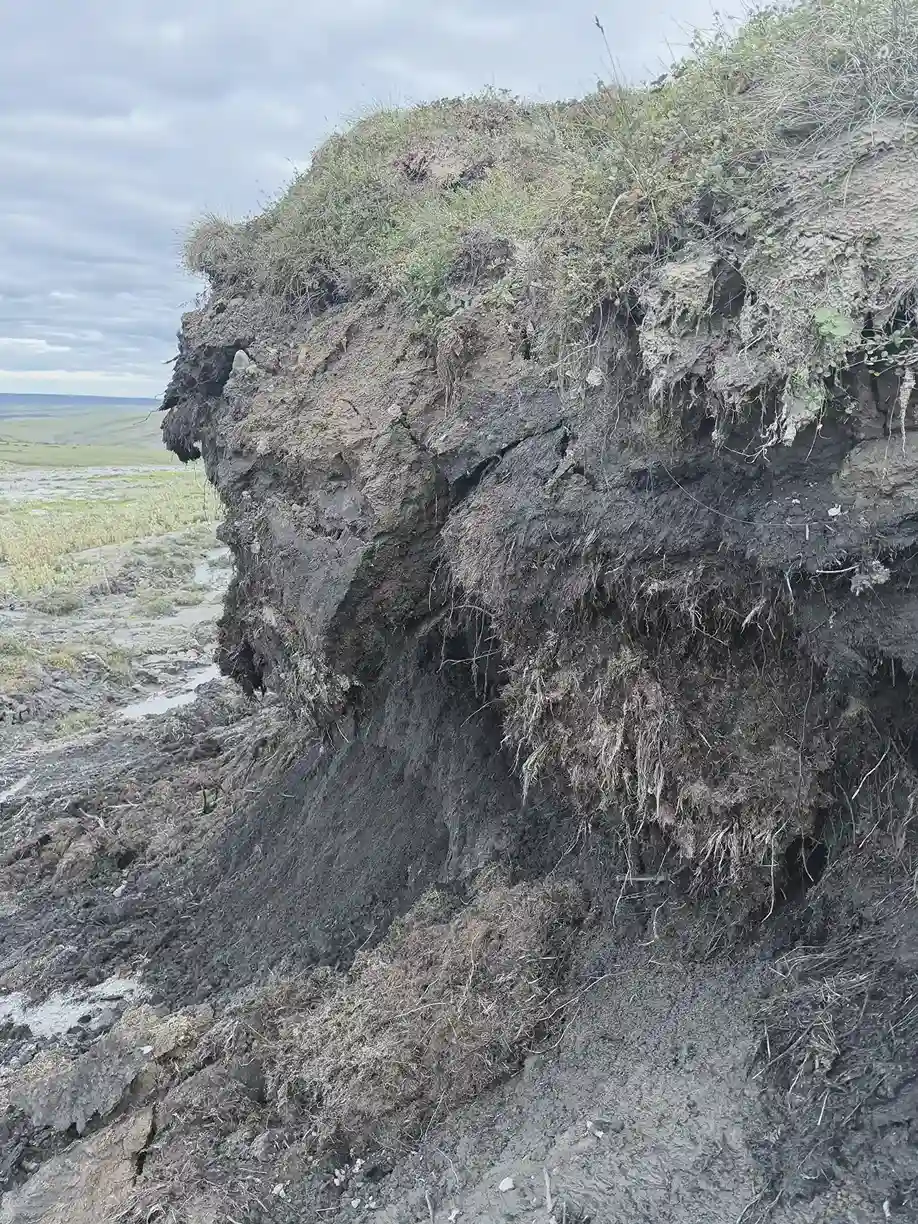
Eroding headwall of a thaw slump exposing dark carbon-rich permafrost soil beneath the tundra surface
01 · Thaw slump, measured
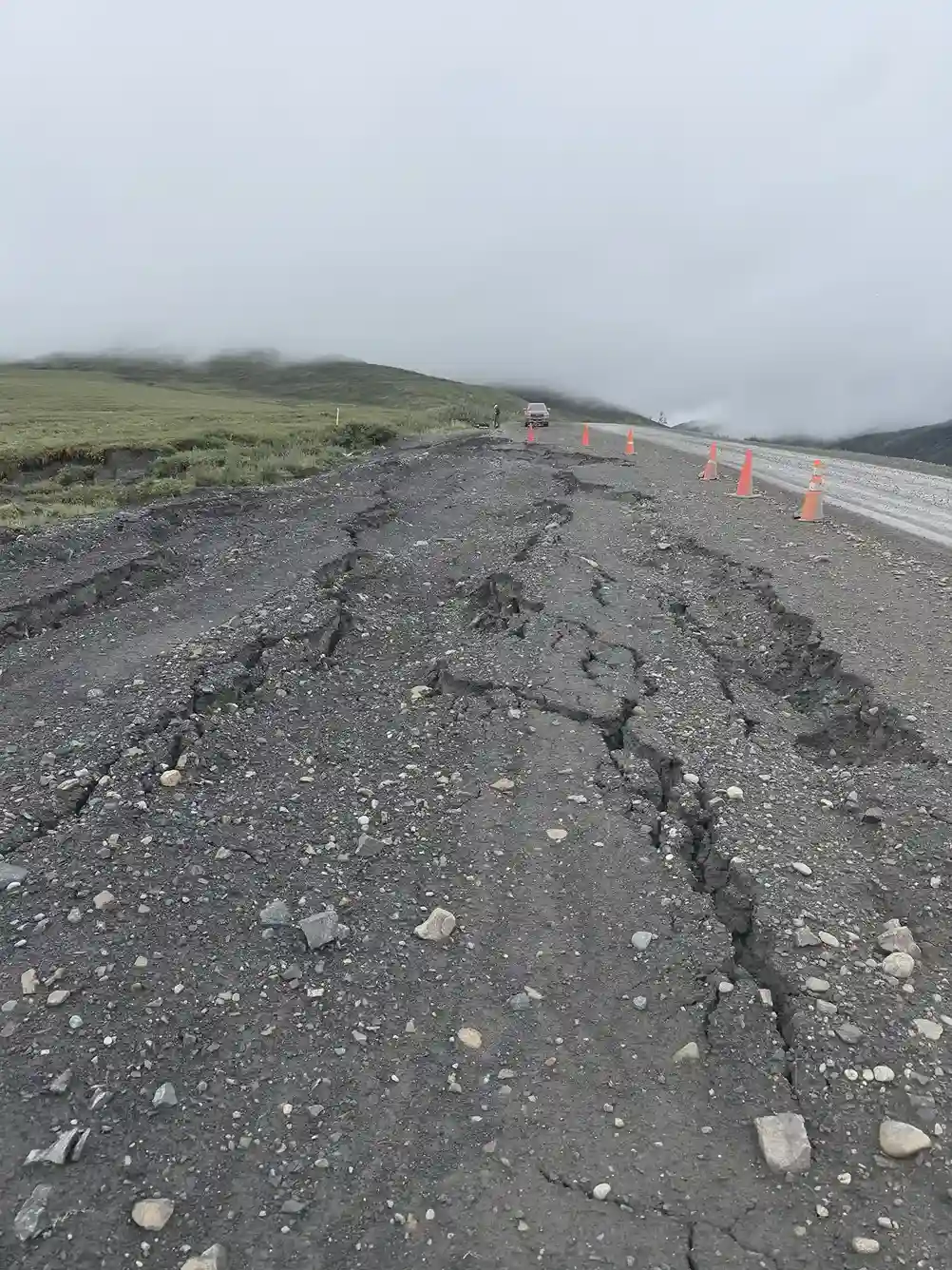
Cracked and subsiding gravel highway marked with traffic cones where permafrost has thawed beneath it
02 · Highway embankment
Carbon conservation

Preventing warming induced emissions.

The evidence clearly shows that active thaw slumps will inevitably release emissions each year. Unless prevented on the ground by PermaC, funded by carbon credit sales.

The carbon credit market provides an opportunity to solve a problem that is inevitable and catastrophic.

Infrastructure resiliency

Protecting critical Arctic infrastructure.

Permafrost thaw is becoming a major infrastructure challenge across the North. Alaska projects up to $50B USD in cost by 2050 due to permafrost degradation, while the Northwest Territories is investing in new highways and other critical infrastructure across permafrost terrain.

As the Arctic warms, protecting the frozen ground will be essential for national security and Arctic sovereignty.

06 · People

The people behind it.

Business founders

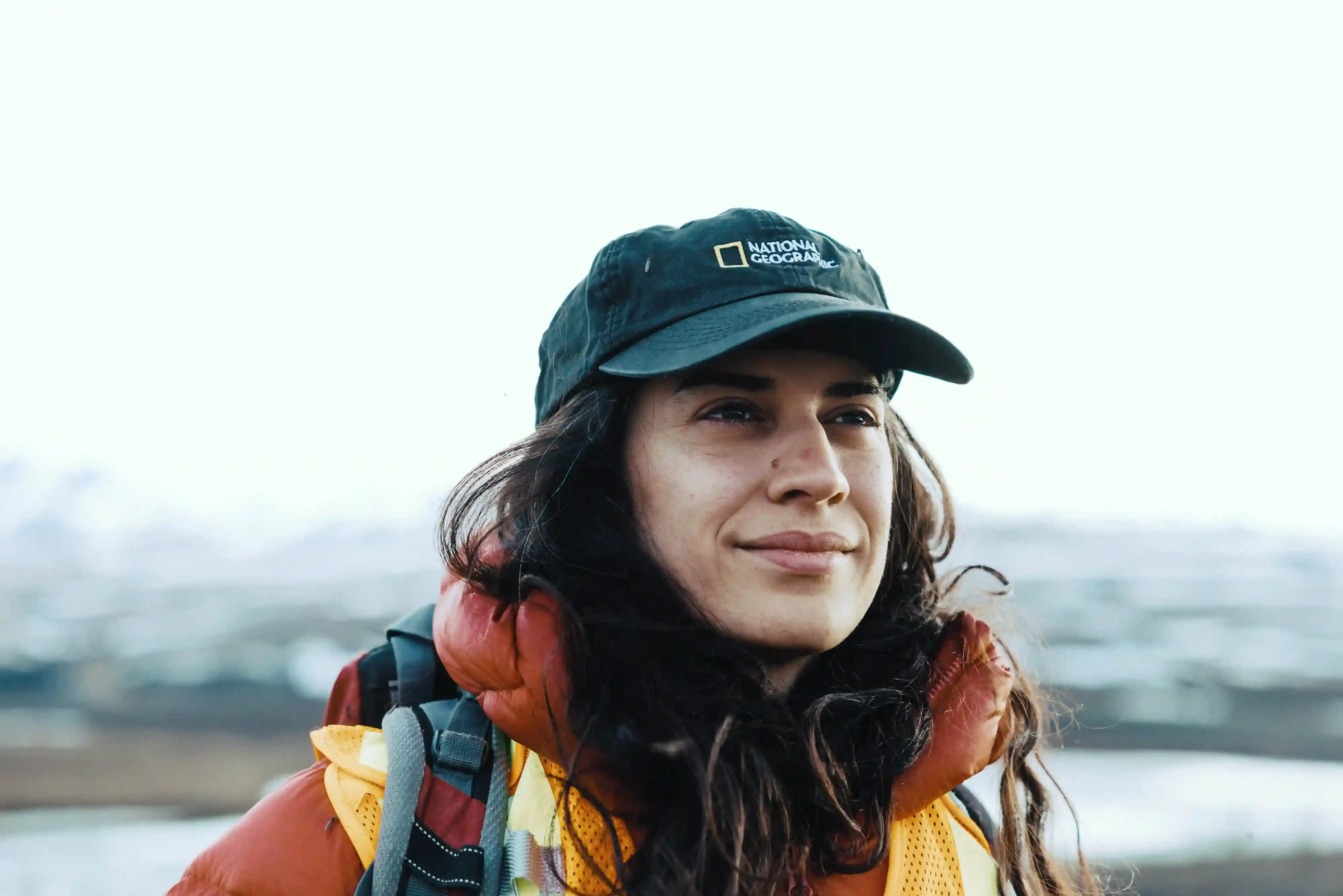
Portrait of Cansu Culha in the field

Cansu Culha

Chief Executive Officer

A computational fluid and thermodynamics modeler of emerging permafrost hazards. NSF EAR and GRFP Fellow, Stanford Lieberman Fellow, Tundra Early Career Fellow and NASA Astronaut Finalist.

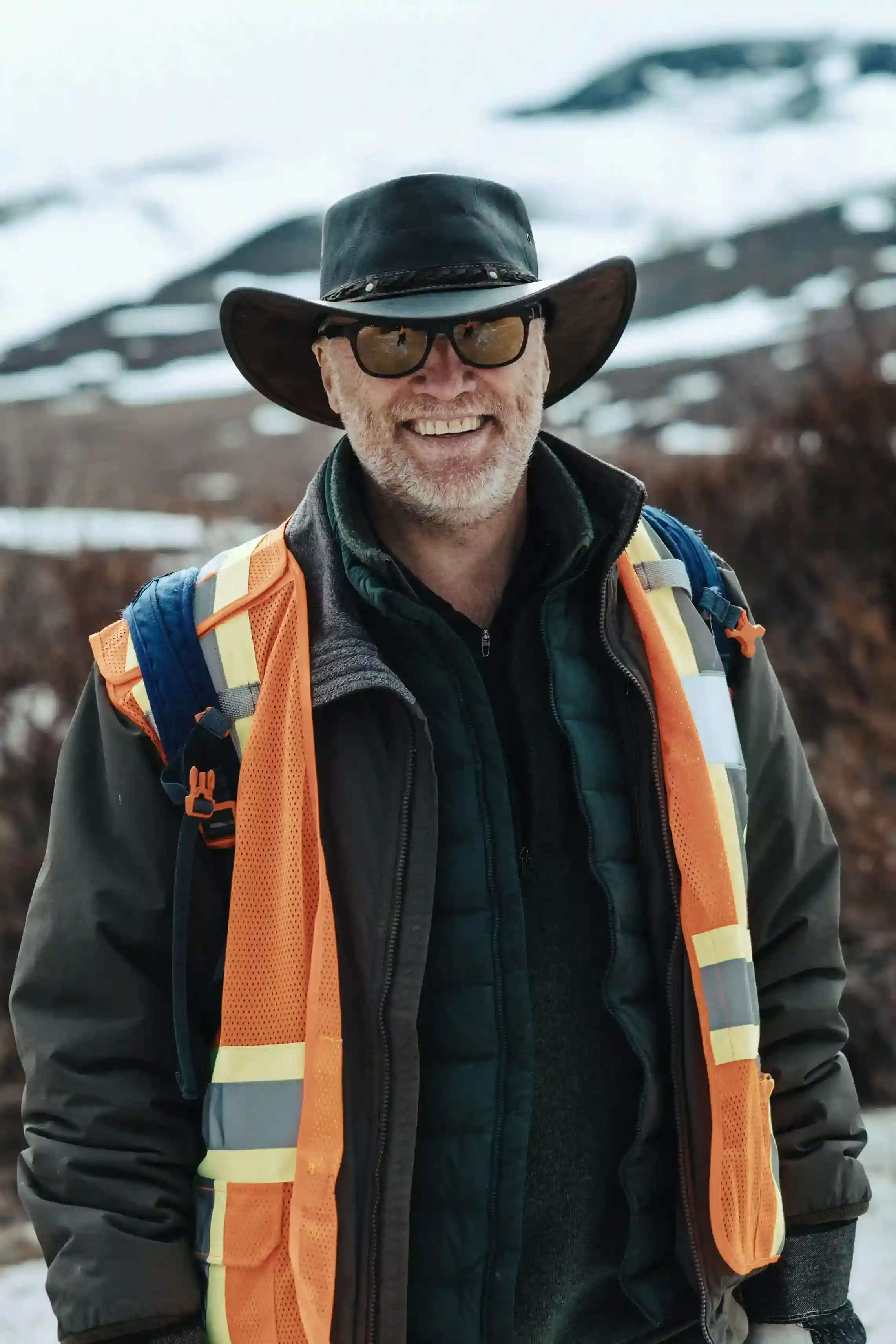
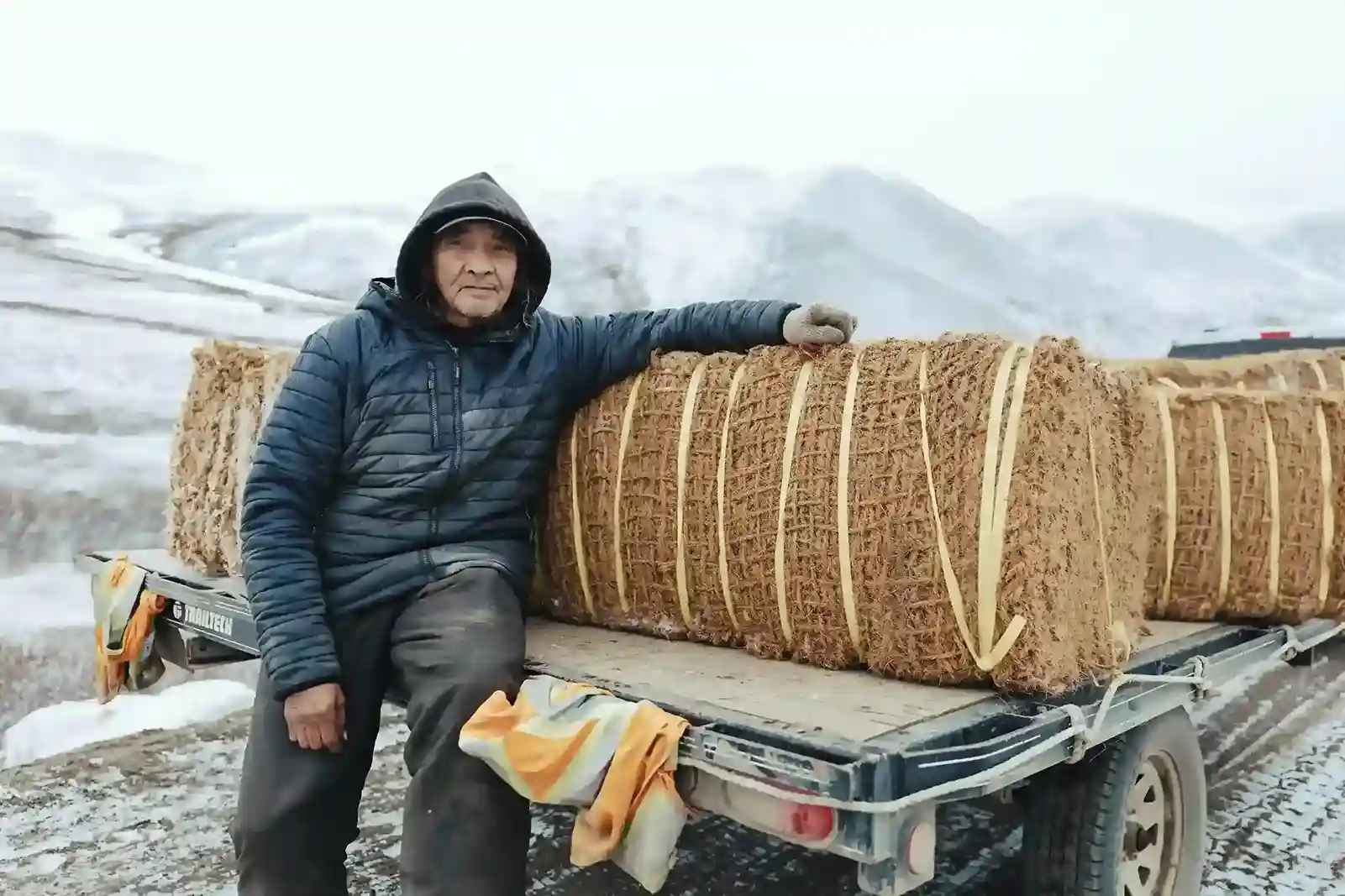
Portrait of Paul Cooper beside a truck bed on the tundra

Paul Cooper

Strategy and Executive Chair

Experienced business leader, has founded four companies, and as a senior exec in a large company, has led M&A and managed a division with more than 700 employees at MDA Space. CSA Astronaut Finalist.

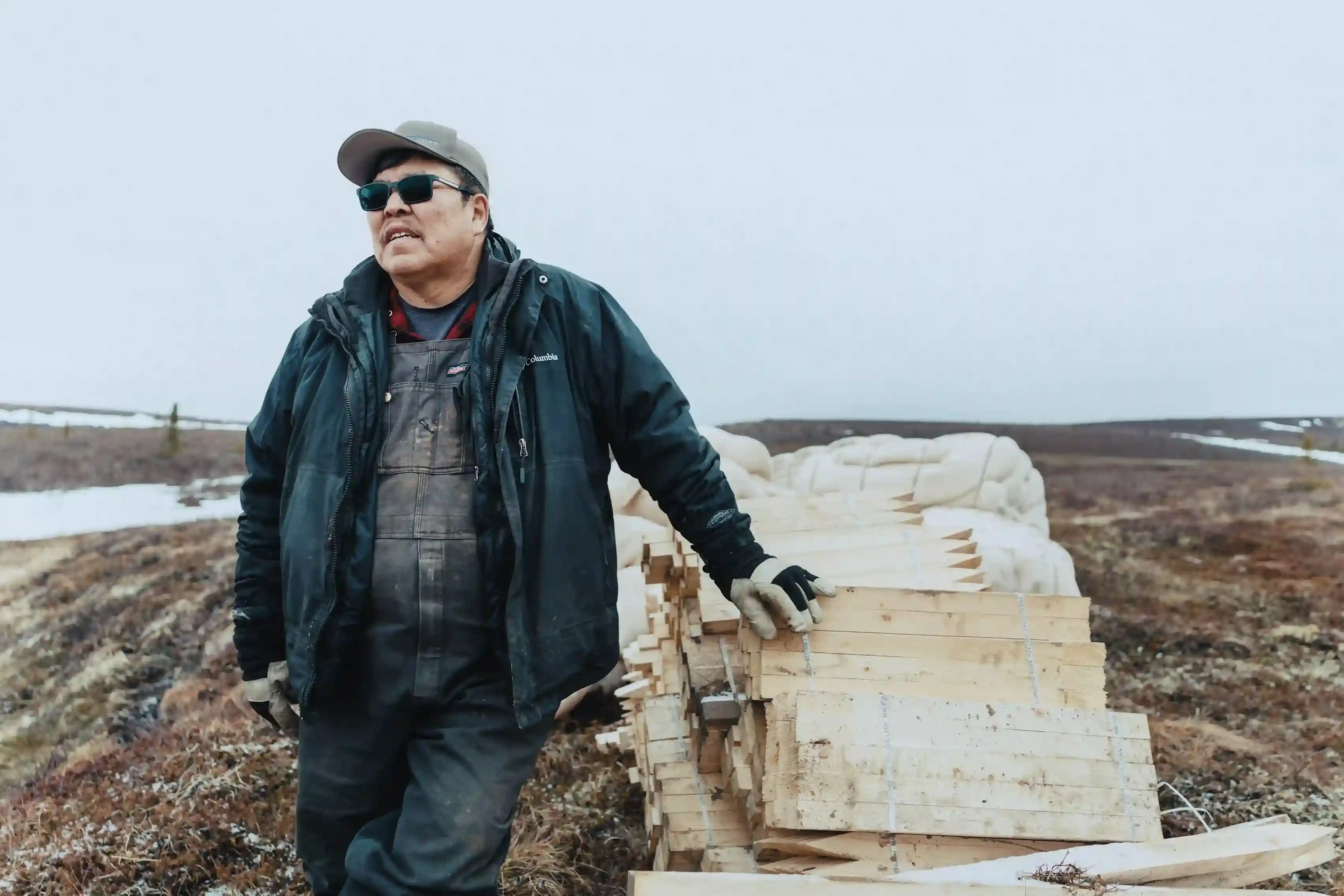
Portrait of James Ross beside a stack of lath on the tundra

James Ross

Chief Indigenous Engagement Officer

A four-term Chief of the Teetl'it Gwich'in Nation, signatory of the Gwich'in Land Claims Agreement in 1992, and Founder of Virtual Gwich'in, a visual recording of Indigenous Knowledge.

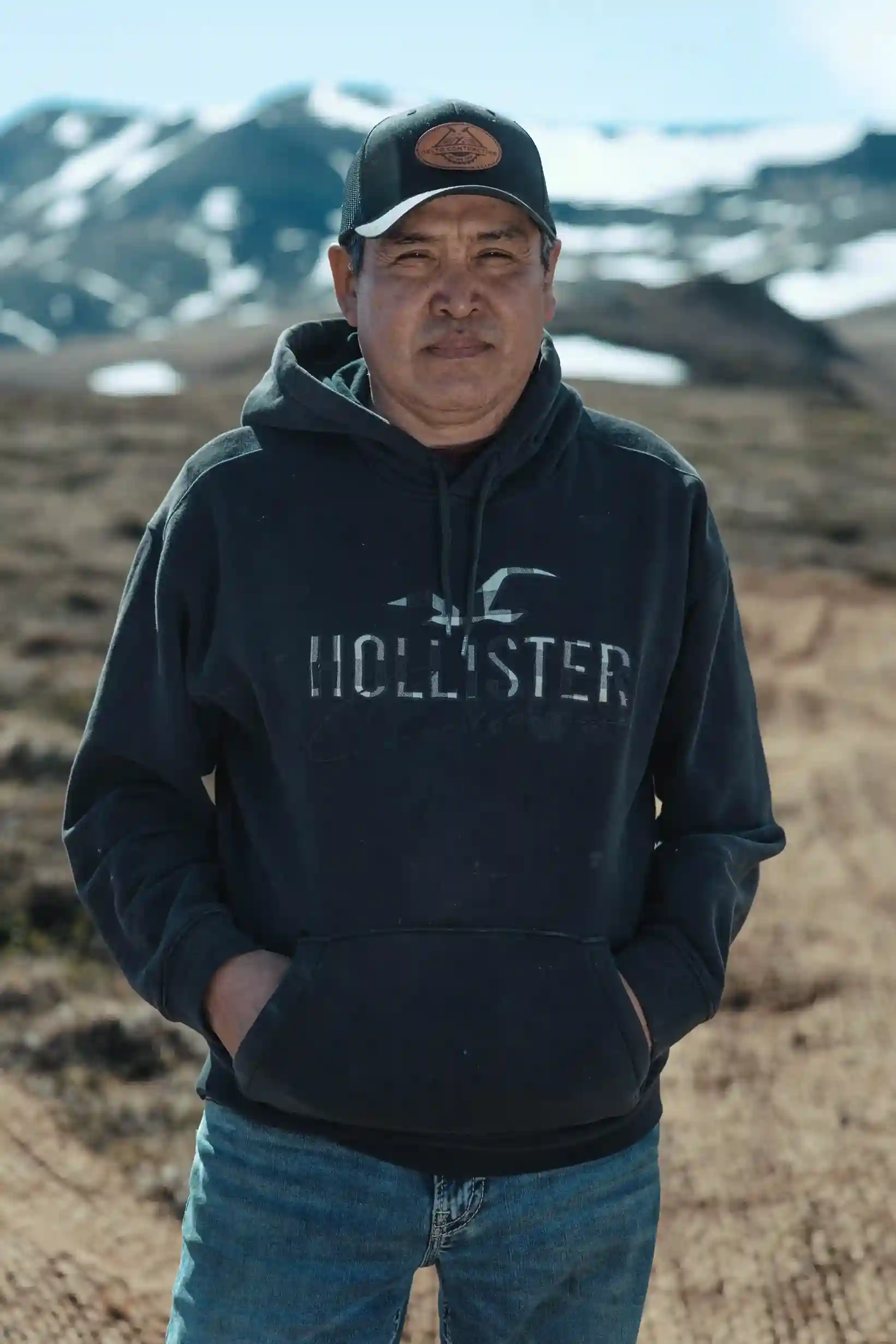
Indigenous field team

Carbon science team

Supported by

National Geographic
NorthX
Renaissance Philanthropy
Arctic Carbon Conservation Inc.
Terrafix Geosynthetic Inc.
Profile Products
American Excelsior Company
Teetl'it Gwich'in Nation
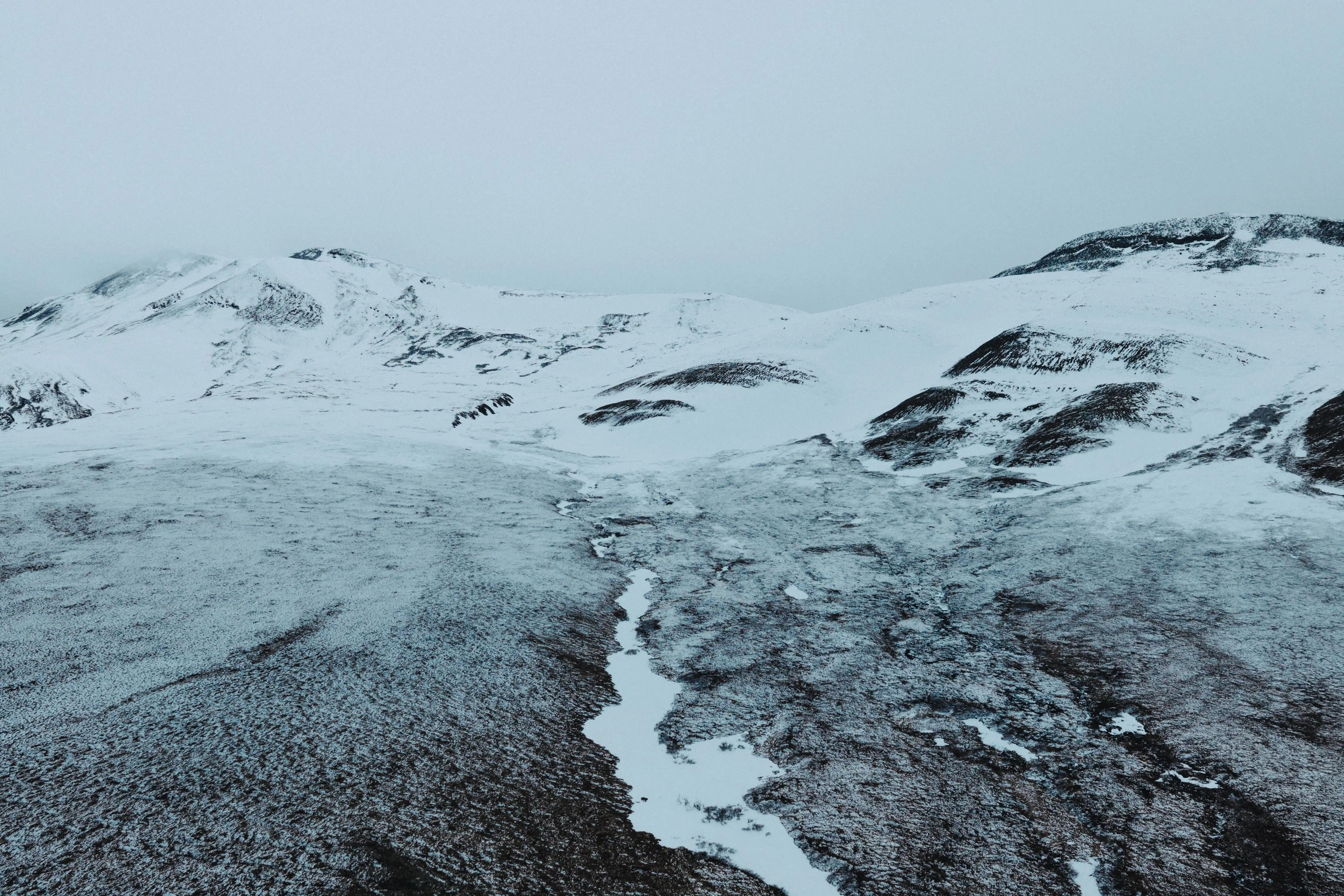
Aerial view of a snow-covered ridge and tundra under overcast light
Thank you! Your submission has been received!
Oops! Something went wrong while submitting the form.